Gold Coast Retaining Wall Height Limits Explained
A retaining wall can transform a sloped block into a usable, structured outdoor space. Whether it’s supporting a garden, creating a level lawn or stabilising soil, the design needs to go beyond appearance. Height limits, engineering requirements and approvals all play a role in how the project is planned and delivered. Understanding these factors early can help avoid costly changes and ensure your landscape works as intended over the long term.
Below, we break down the key considerations around retaining wall height limits, along with how a landscape designer supports the process from concept through to construction.
Why Retaining Wall Height Limits Matter
Retaining walls are structural elements that hold back soil and manage changes in ground level. As the height increases, so does the pressure placed on the wall. This is why regulations exist—to ensure safety, durability and proper drainage.
From a design perspective, height limits influence how outdoor spaces are shaped and used. Rather than forcing a single large wall into a design, a landscape designer may recommend alternative approaches that work within regulations.
Key reasons height limits matter include:
- Preventing structural failure caused by soil pressure
- Managing water flow & drainage effectively
- Protecting neighbouring properties from impact
- Ensuring compliance with building standards
When planning
retaining walls on the Gold Coast, understanding these constraints early helps guide smarter design decisions rather than reactive fixes later.
Standard Height Thresholds For Retaining Walls
In many cases, retaining walls below a certain height can be constructed without extensive approvals. Once that height is exceeded, additional requirements typically apply.
While specific thresholds may vary depending on site conditions and regulations, a common guideline is:
- Walls up to around 1 metre may not require formal approval (subject to conditions)
- Walls above this height often require engineering & council approval
- Combined wall & fence height may also be considered in total
A landscape designer evaluates the site to determine whether your planned structure falls within these thresholds. If not, they can redesign the layout using stepped walls or terracing to achieve the same functional outcome without exceeding limits.
When Council Approval Is Required
Approval requirements vary based on many factors such as height, location, proximity to boundaries and the overall impact of the structure.
According to the Gold Coast City Council's retaining wall guidelines, building approval may be required for some of the following situations:
- Retaining walls exceeding standard height thresholds of 1 meter
- Walls located close to property boundaries
- Projects that alter natural drainage patterns
- Structures supporting additional loads such as driveways or buildings
Navigating approvals can be time-consuming without experience. A landscape designer helps by preparing documentation, coordinating plans and ensuring the proposal aligns with relevant guidelines before submission.
The Role Of Engineering In Taller Retaining Walls
As retaining walls increase in height, engineering becomes essential to ensure the structure can safely withstand pressure from soil and water.
Engineering input typically covers:
- Structural design suited to soil type & load
- Reinforcement requirements such as footings or geogrid systems
- Drainage solutions to relieve hydrostatic pressure
- Material specifications for long-term stability
Working with an engineer, a landscape designer ensures that the wall integrates seamlessly into the broader outdoor design while meeting all technical requirements.
Boundary Considerations & Neighbouring Properties
Retaining walls near boundaries introduce additional considerations, particularly when they affect adjoining land.
Important factors include:
- Responsibility for construction & maintenance
- Potential impact on neighbouring soil stability
- Shared benefits or structural reliance between properties
- Legal agreements or approvals where required
A well-planned design reduces the likelihood of disputes. Landscape designers consider boundary placement carefully and may suggest design adjustments to minimise impact while maintaining functionality.
Drainage & Soil Management Requirements
One of the most critical elements of any retaining wall is drainage. Without proper water management, even a well-built wall can fail over time.
Effective drainage strategies include:
- Installing agricultural drains behind the wall
- Using free-draining backfill materials
- Incorporating weep holes where appropriate
- Designing surface water flow away from the structure
A landscape designer integrates drainage into the overall plan, ensuring that both the retaining wall and surrounding landscape work together to manage water effectively.
Design Solutions To Work Within Height Limits
Height restrictions don’t have to limit what you can achieve. In many cases, they encourage more creative and practical landscape solutions.
Common design approaches include:
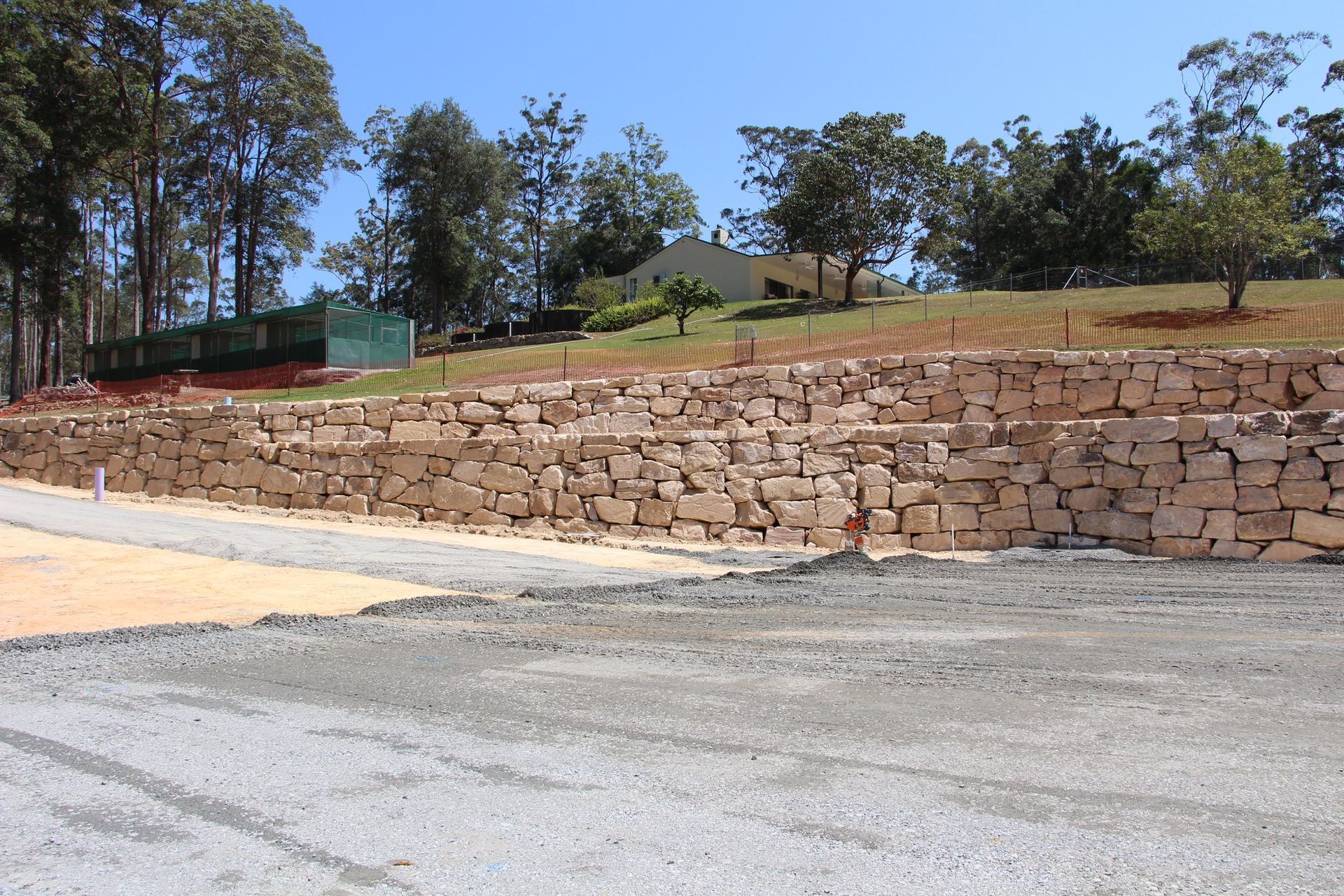
- Tiered retaining walls to break up elevation changes
- Incorporating garden beds between levels
- Combining structural walls with natural slopes
- Using materials that complement the overall landscape
These solutions not only help meet regulatory requirements but also improve the visual appeal and usability of the space. For homeowners searching for retaining walls near me, this type of tailored design can make a significant difference in both function and finish.
Choosing The Right Materials For Compliance & Longevity
Material selection plays a key role in meeting height limits and ensuring durability. Different materials perform differently under pressure and environmental conditions.
Common options include:
- Concrete sleepers for strength & uniformity
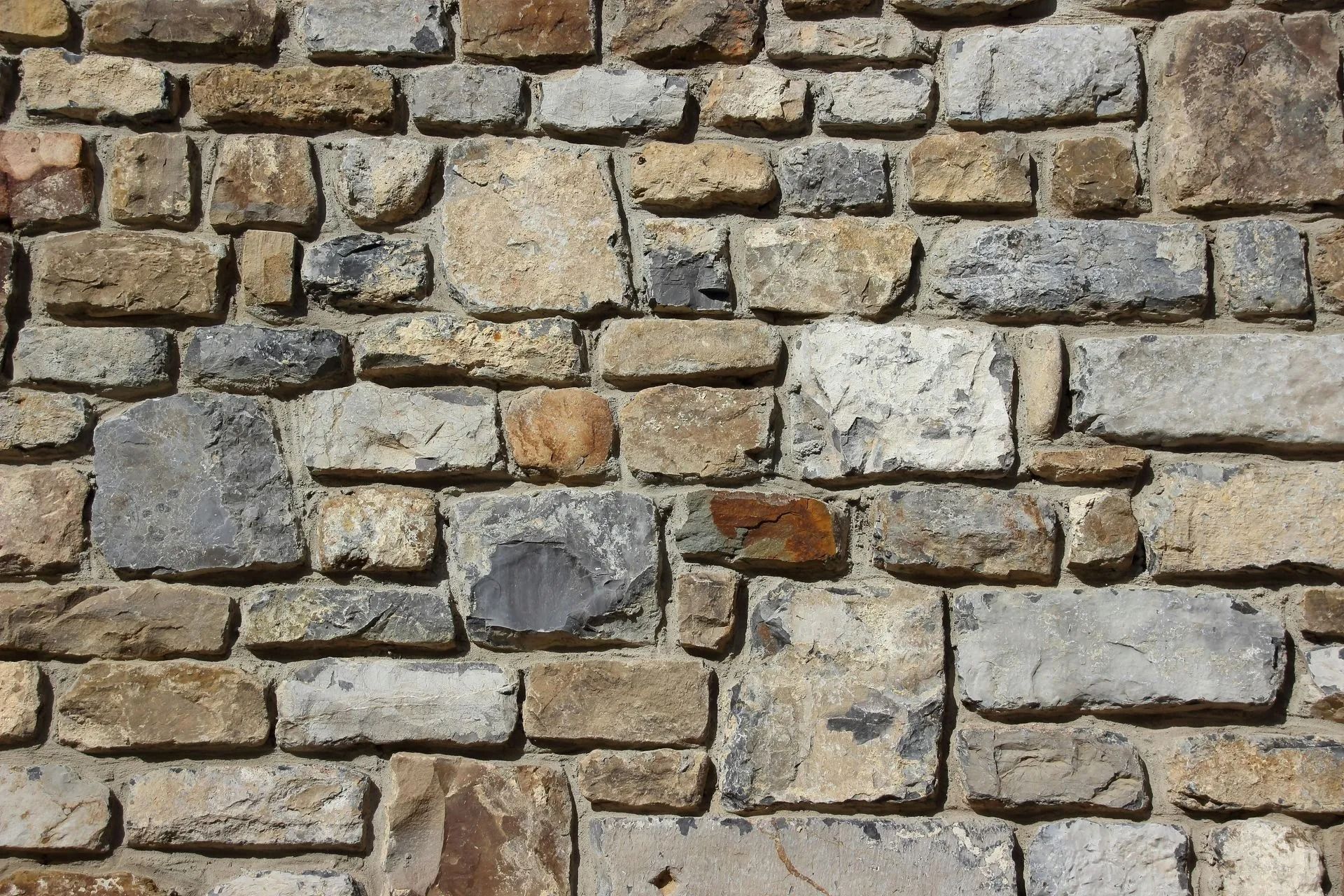
- Natural rock for a more organic appearance
- Timber for lower-height applications
- Masonry blocks for engineered systems
A landscape designer assesses the site and recommends materials that align with both the design vision and structural requirements. This ensures that Gold Coast retaining walls are not only compliant but also suited to long-term use.
Plan Your Retaining Wall The Right Way
We at Australian Rock Walls understand that navigating retaining wall regulations can feel complex, especially when planning projects involving retaining walls on the Gold Coast. Our team works closely with homeowners and developers to design practical, compliant solutions that suit both the site and your vision.
Whether you're searching for retaining walls near me or simply need some advice, we can guide you through design, approvals and construction. Get in touch today to discuss your project and take the next step with confidence.